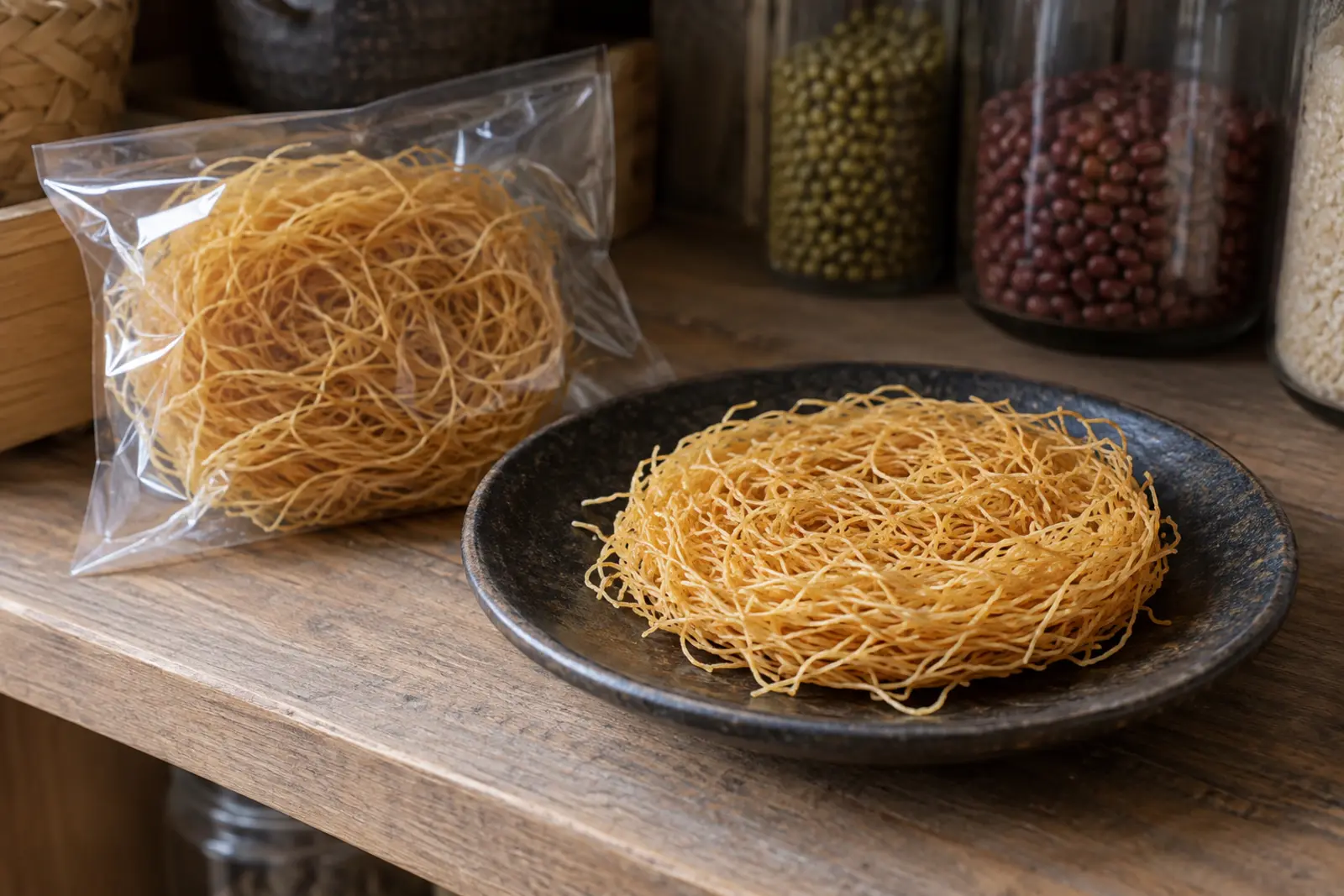
The short answer: seal promptly and follow the packet's storage temperature
Put the unused noodles away before cooking steam reaches them. Fold the packet shut and secure it with a clip, then place it inside a sealable bag or airtight container. Handle the noodles with dry hands; do not mix noodles touched by toppings or sauce back into the unused portion.
The label's after-opening directions decide where the pack goes. Shimadaya, for example, advises closing a partly used sara udon pack against moisture, refrigerating or freezing it, and eating it soon. That is a maker-specific instruction, not a rule that every brand must be refrigerated. Write the opening date on the bag and plan to use the portion in your next sara udon meal.
Read the storage directions and date on your own packet
Before opening, check the stated temperature, date and any after-opening advice. Similar-looking noodles can differ in production, packaging and frying oil. Some unopened products allow room-temperature storage, while others specify different conditions.
Japan's Ministry of Agriculture explains that a best-before date assumes an unopened package stored as directed. It does not promise the same crunch and flavor after opening. Fresh, pre-boiled and fried noodle formats shows why one storage rule cannot cover all noodles.
Moisture changes the crunch
Fine fried noodles are prized for their light, crisp break. Leave the packet open near cooking steam and they begin taking up moisture. Hot, thickened toppings will also soften them, but that gradual change on the plate is part of the dish—not a reason to let them get damp in storage.
No single number of days after opening fits every product. Rather than saving one portion indefinitely, make a plan to use it at the next suitable meal.
Check the oil aroma as well
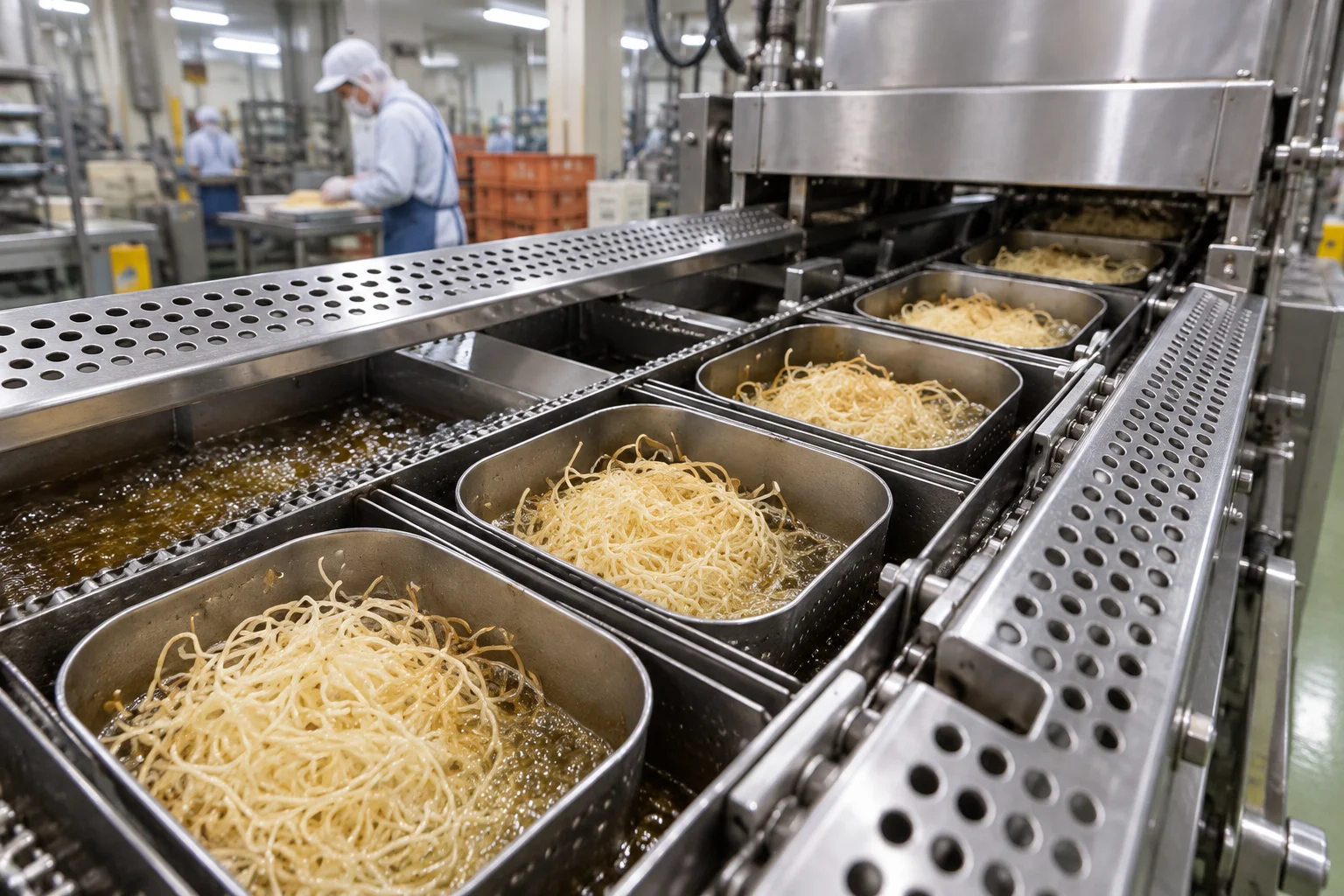
Fried noodles contain oil. Japan's Ministry of Agriculture notes that exposure to light and air can oxidize edible oil and produce an unpleasant smell. Follow the noodle label for actual storage conditions, and avoid leaving an opened pack for a long time in direct sun or beside a hot cooker.
If the color or smell is clearly unusual, do not try to hide it under sauce. Retailers should also arrange stock so older packs can be used first.
Take the noodles out only when the toppings are nearly ready
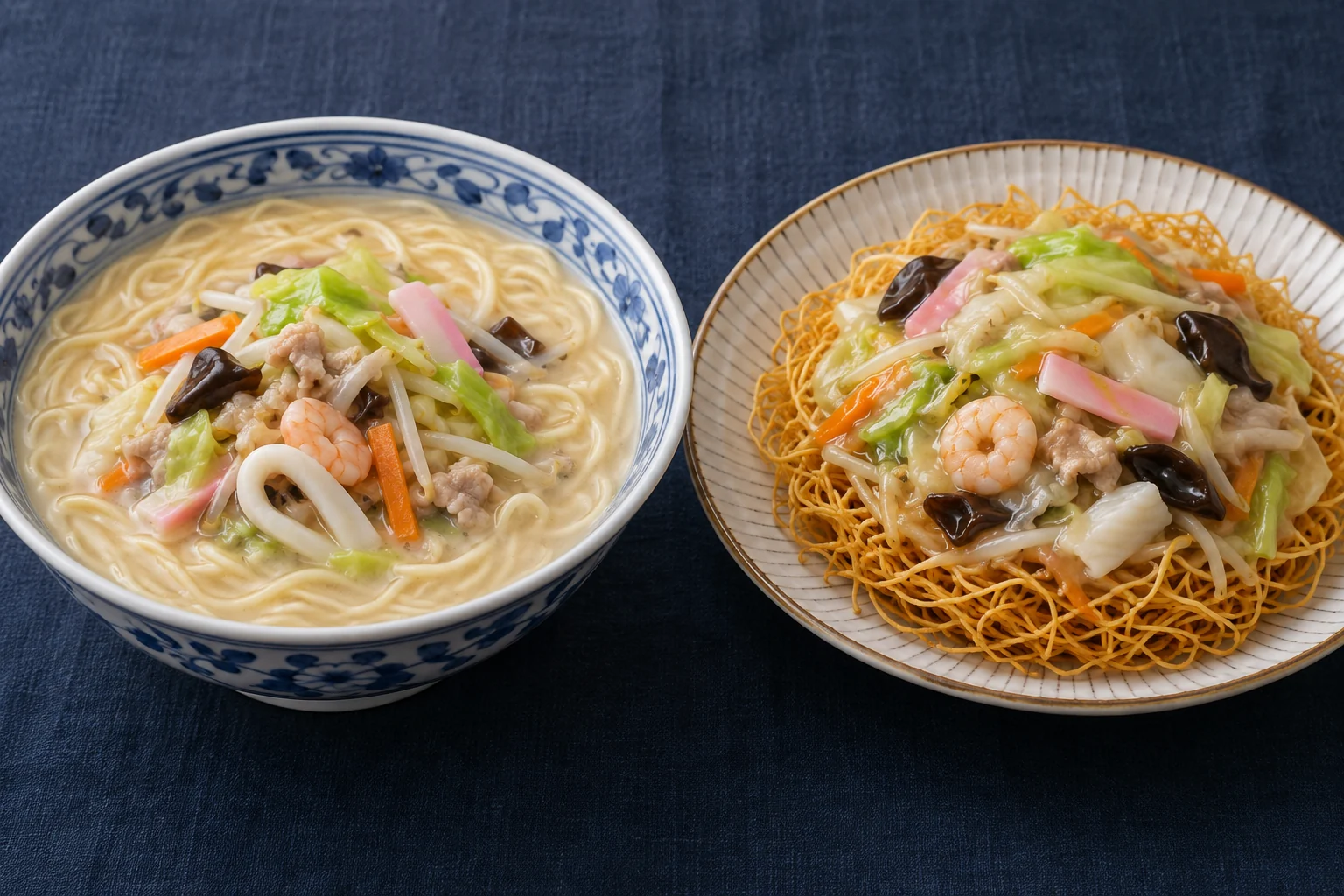
Do not leave the plated noodles beside a steaming pan. Spread them on the plate just before the hot toppings are ready, then spoon on the ingredients together with their glossy, thickened sauce. The center starts to soften while the edges remain crisp. How to thicken sara udon toppings covers this last step.
Keep the noodles dry in the pack, then let the sauce change their texture on the plate. The best storage place still depends on the product label; the serving moment is yours to choose.