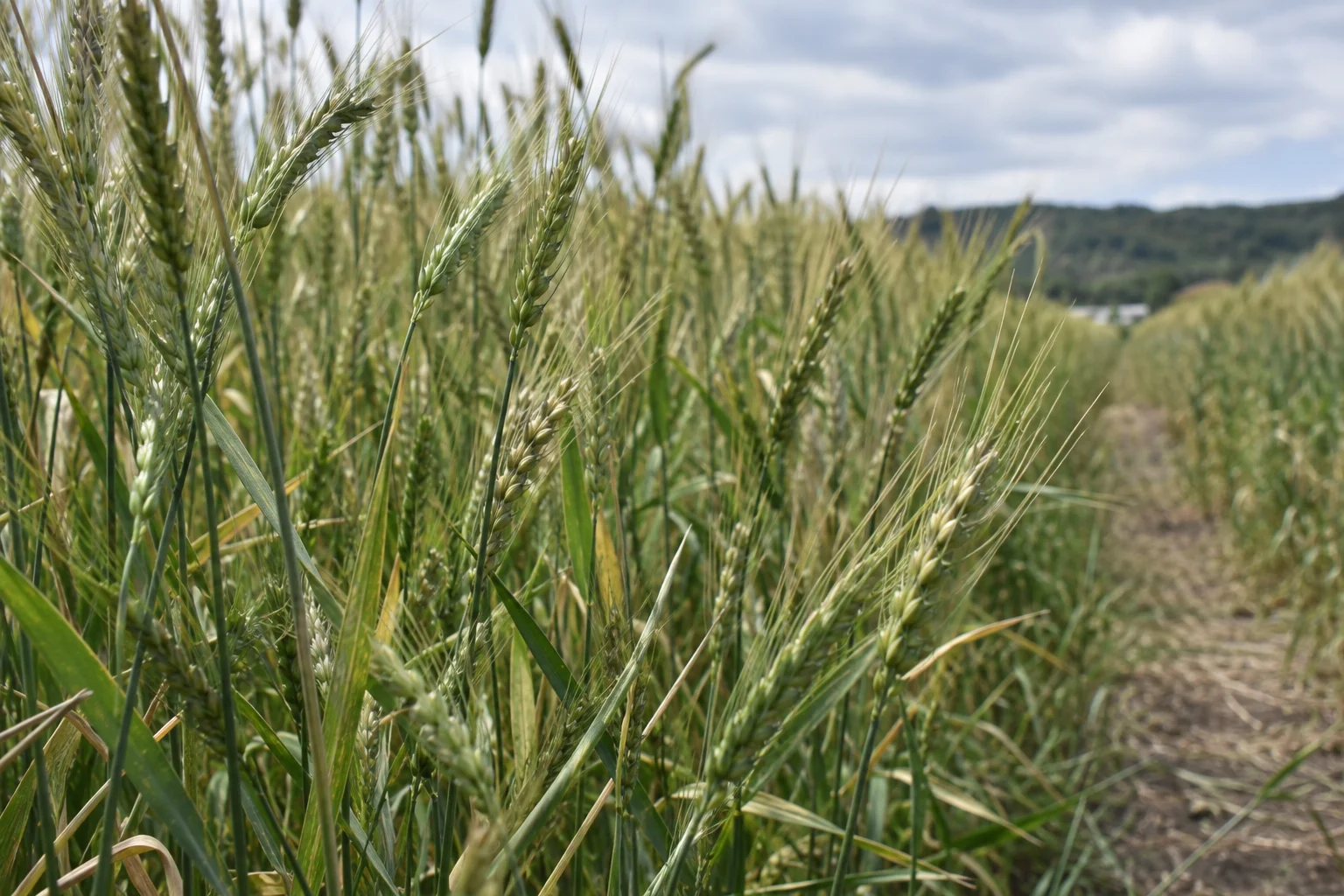
A hard wheat bred with champon noodles in mind
Nagasaki Chanmugi is the nickname of Nagasaki W2, a wheat variety jointly developed by Nagasaki Prefecture and Japan's National Agriculture and Food Research Organization (NARO). It was registered as a variety in July 2014. The name refers to the wheat grown in the field, not to a noodle-making technique or a finished dish.
According to Nagasaki Prefecture, champon noodles benefit from hard wheat that provides sufficient grain protein and a smooth mouthfeel. Few domestically grown varieties then met the desired profile, so imported wheat was widely used. Nagasaki W2 was developed in response to a simple ambition: grow wheat in Nagasaki that would also work well in its signature noodles.
Its appeal is easier to understand by asking what kind of noodle the breeders wanted to make, rather than assuming that local wheat automatically tastes better.
One variety, two names
Nagasaki W2 is the official variety name; Nagasaki Chanmugi (長崎ちゃん麦) is its public-facing nickname. The prefecture selected the nickname through an open call and registered it as a trademark in June 2016. Its association with Nagasaki champon helped make the name memorable.
A product marked as using Nagasaki Chanmugi contains wheat from this variety. That statement alone does not tell you what proportion is used, whether it is blended with other wheat, how thick the noodles are, or whether they are sold raw or precooked. Read the product information as well.
Smoothness matters alongside chew
NARO describes Nagasaki W2 as a hard wheat suited to champon noodles, noting the smooth texture and favorable eating quality of noodles made with it. In comparative trials, Nagasaki Prefecture also reported slightly better smoothness and taste than the comparison variety.
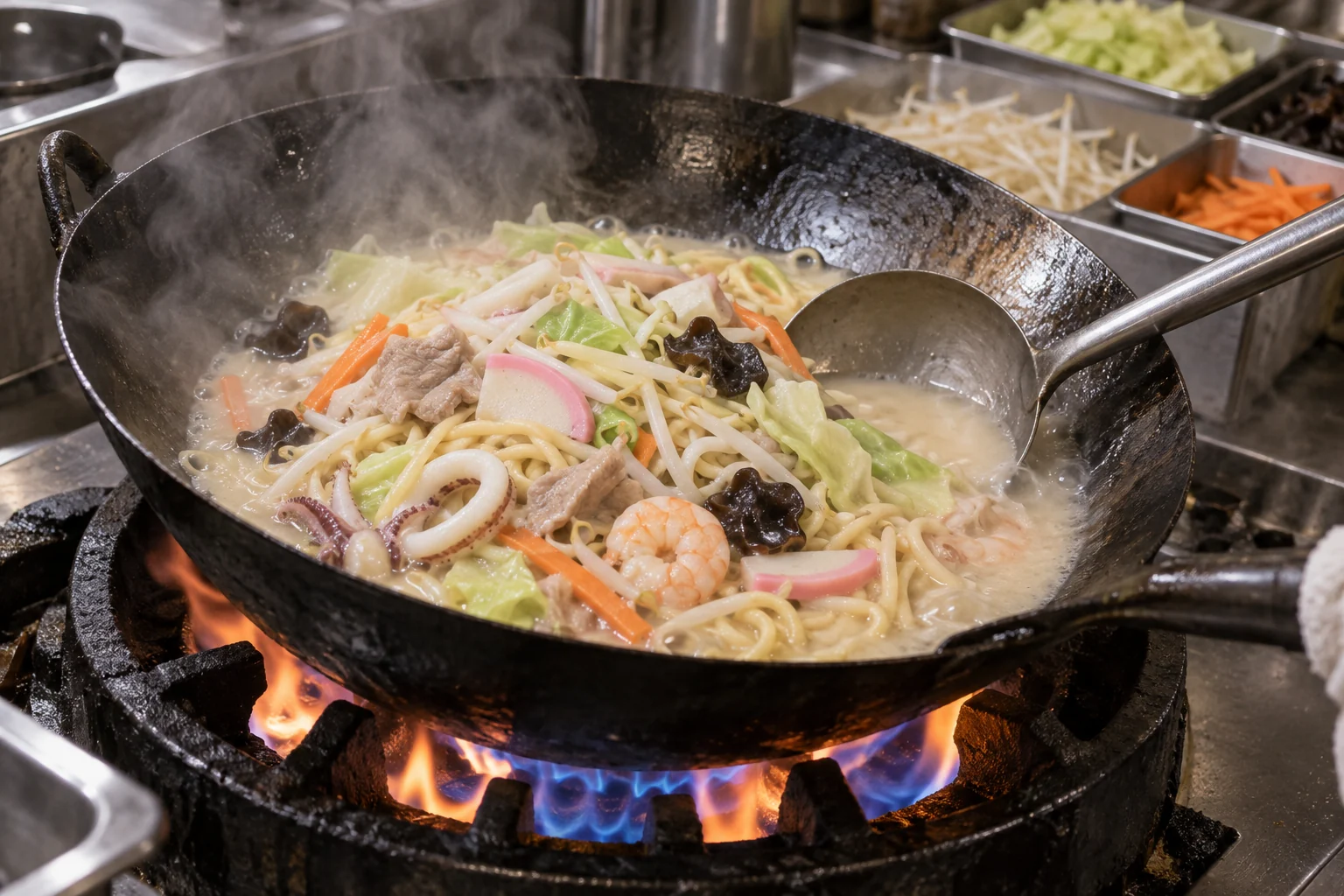
Smoothness is what you feel on the noodle's surface as you eat it; chew is the resistance when you bite. Champon is eaten in hot broth with generous toppings, so the balance between those sensations matters more than maximizing just one.
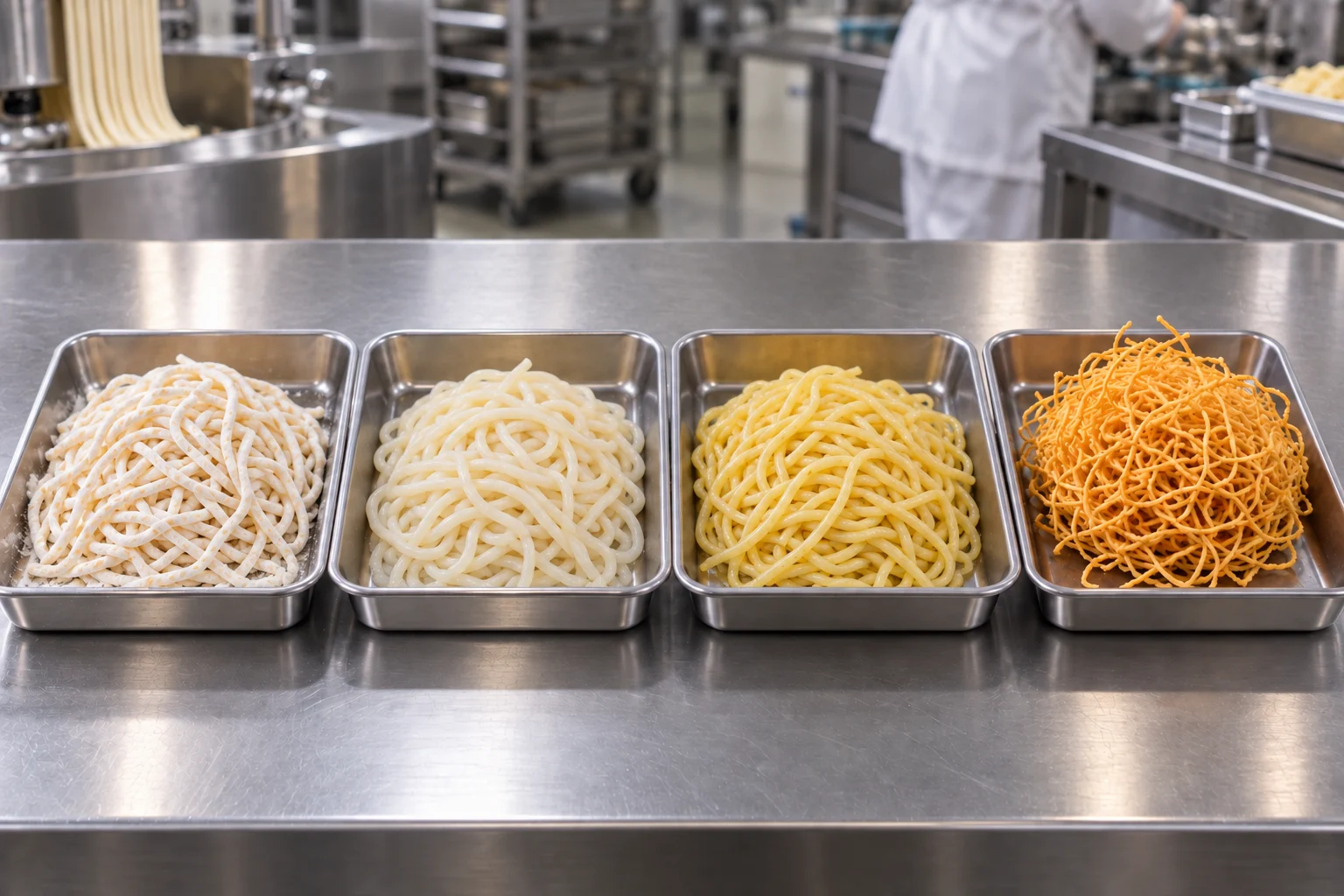
A variety cannot dictate the texture of every finished bowl. Milling, blending, noodle thickness, whether the noodles are precooked, and the time they spend simmering in broth all change the result. Nagasaki W2 gives a maker an ingredient with useful characteristics, not a guaranteed texture.
What happens in the field matters too
Before wheat becomes noodles, it must be grown, harvested, and milled. Compared with the Minaminokaori variety in its trials, NARO reports that Nagasaki W2 resisted lodging—the stems falling over—and pre-harvest sprouting in rainy conditions more effectively. It also produced a higher flour yield from the grain.
Flour yield describes how much usable flour is obtained from the harvested wheat. A variety must work both for farmers bringing in a crop and for millers turning it into flour. These are reported results from comparative trials, not a promise that every field will perform identically each year.
Taste the finished noodle, not only the story of its origin
If you find noodles made with Nagasaki Chanmugi, check which wheat they use, then notice the finished bowl: the feel of the noodle's surface, its spring when bitten, and how it changes in the broth. The appeal of local sourcing and the eating quality of a cooked noodle are related, but they are not the same test.
Not every champon noodle made in Nagasaki contains Nagasaki W2. For a particular product, its label or the maker's information is the place to check whether the variety is used and how it is blended.