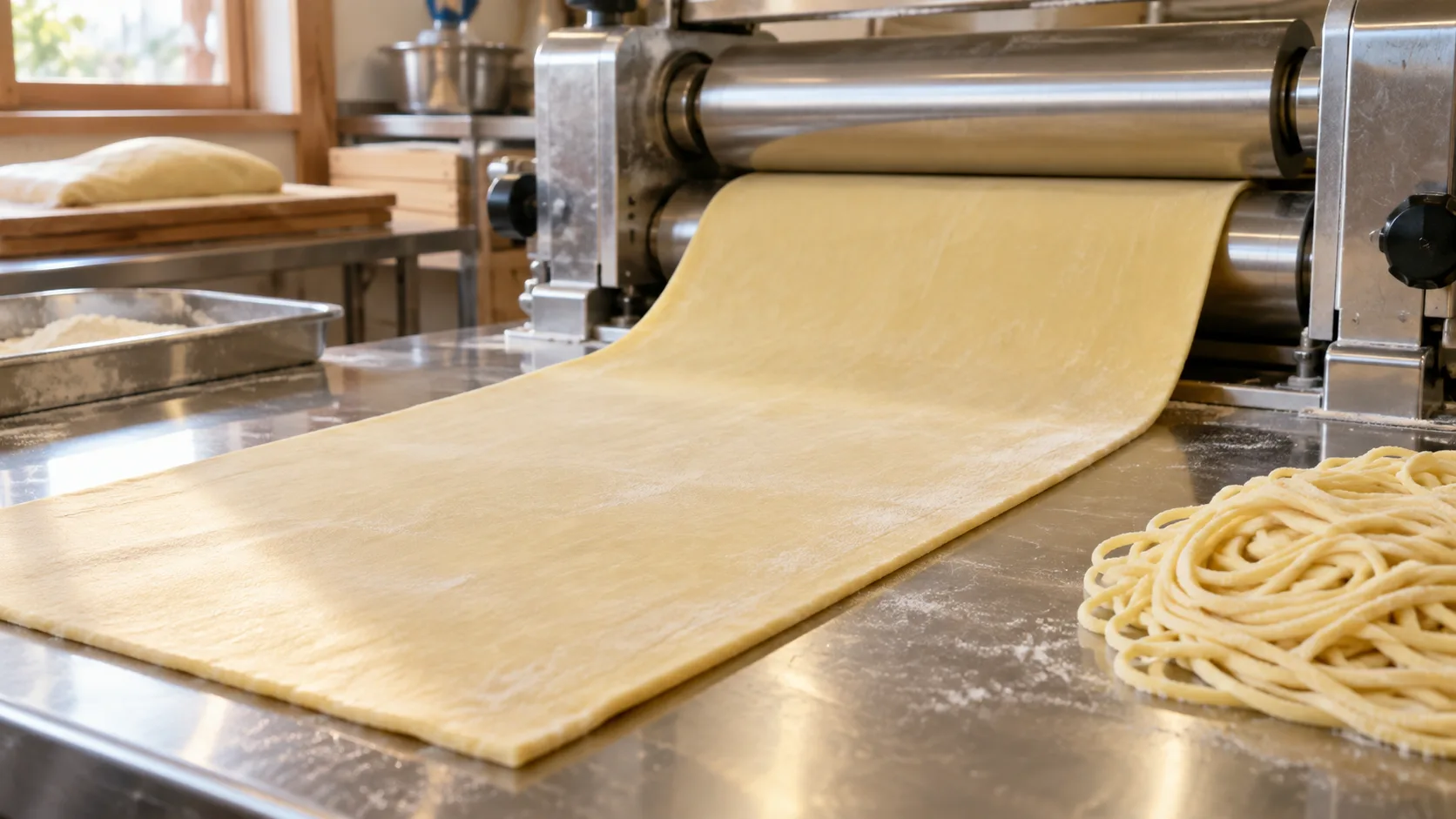
Yellow colour alone does not establish that egg is present
One source of yellow colour in Chinese-style noodles is the reaction between pigments naturally present in wheat flour and kansui, an alkaline noodle-making ingredient. Kansui manufacturer Oriental Yeast explains that flavonoid pigments in flour turn yellow in an alkaline environment. Looking at a yellow noodle therefore does not tell you that it was made with egg.
The reverse is also true: knowing about this reaction does not prove that a product is egg-free. You must check the ingredients of the particular product. Understanding a colouring mechanism and knowing a product’s recipe are different things.
Kansui does more than colour the dough
Nissin Foods explains that kansui is used to give ramen its characteristic flavour and firm texture. Focusing only on colour misses its role in how noodles smell and feel. When learning about champon noodles too, it helps to consider appearance separately from texture after cooking.
Our introduction to tōaku and champon noodles offers another route into Nagasaki’s noodle culture. But noodle makers do not all use the same kansui in the same amount, and you cannot work out a formula from the colour of the finished noodles.
A photograph’s yellow tone is not a quality scale
Lighting, the colour of the bowl and whether the noodles are immersed in broth affect how their colour appears in a photograph. A stronger yellow on screen is not proof of a firmer bite or better quality. Differences in photographic conditions remain when comparing a product image with noodles in your kitchen.
For purchasing trials, record appearance under the same lighting on a white plate, then record texture separately after cooking according to the product instructions. There is no need to change water quantity or cooking time merely to match the colour in a photograph.
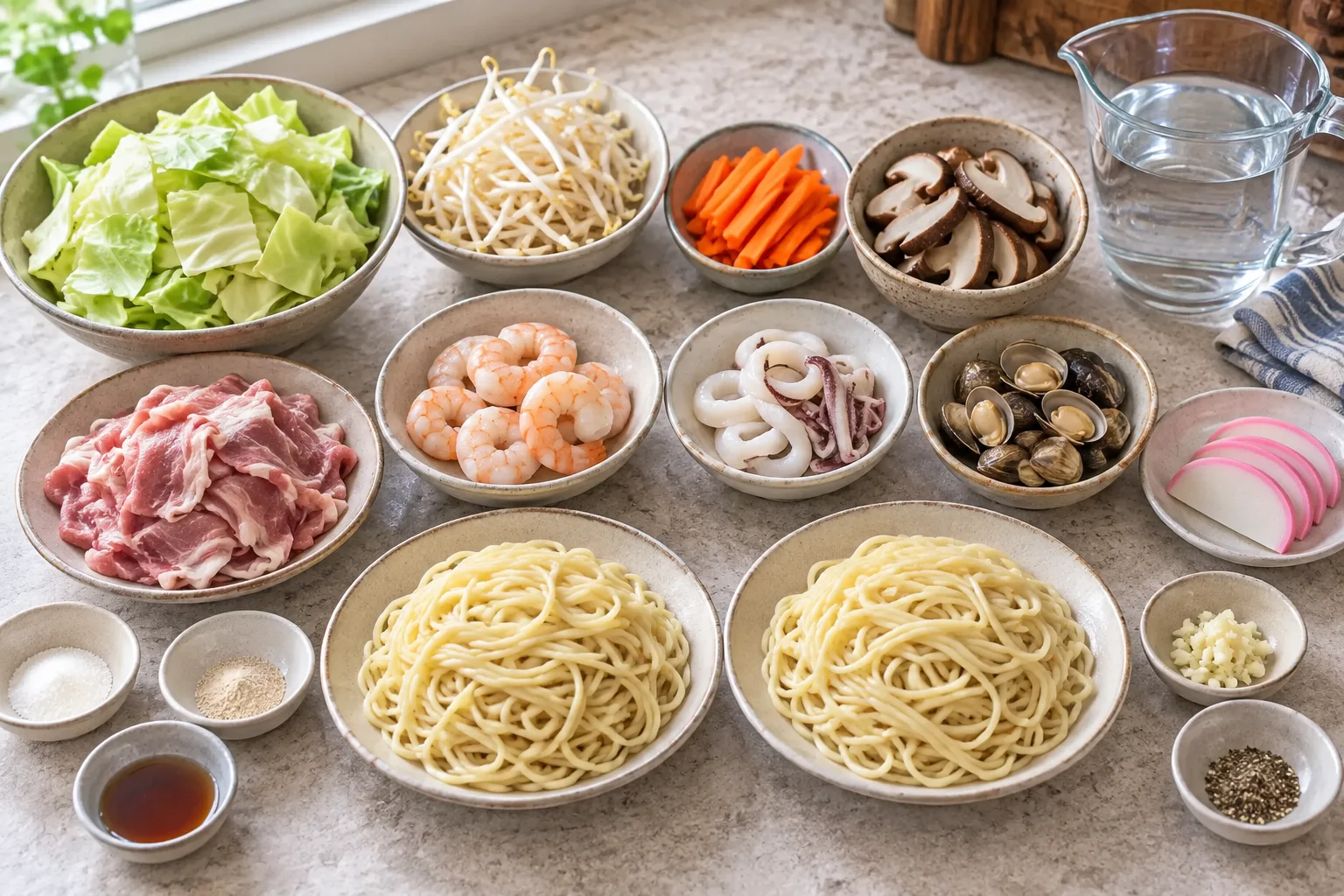
Move from appearance to the label
Our noodle tasting checklist for businesses covers appearance as well as texture immediately after cooking and at serving time. Yellow colour is one clue to understanding noodles. Labels and checks suited to the intended use provide the answers about ingredients and practical performance.
- Read the ingredient list. If noodles and soup are listed separately, check both.
- To establish whether egg is used, consult the actual package and manufacturer information rather than a photograph or the dish’s name.
- For commercial products, identify the exact product and specification when asking questions; do not reuse information about a different item.